
Descrizione
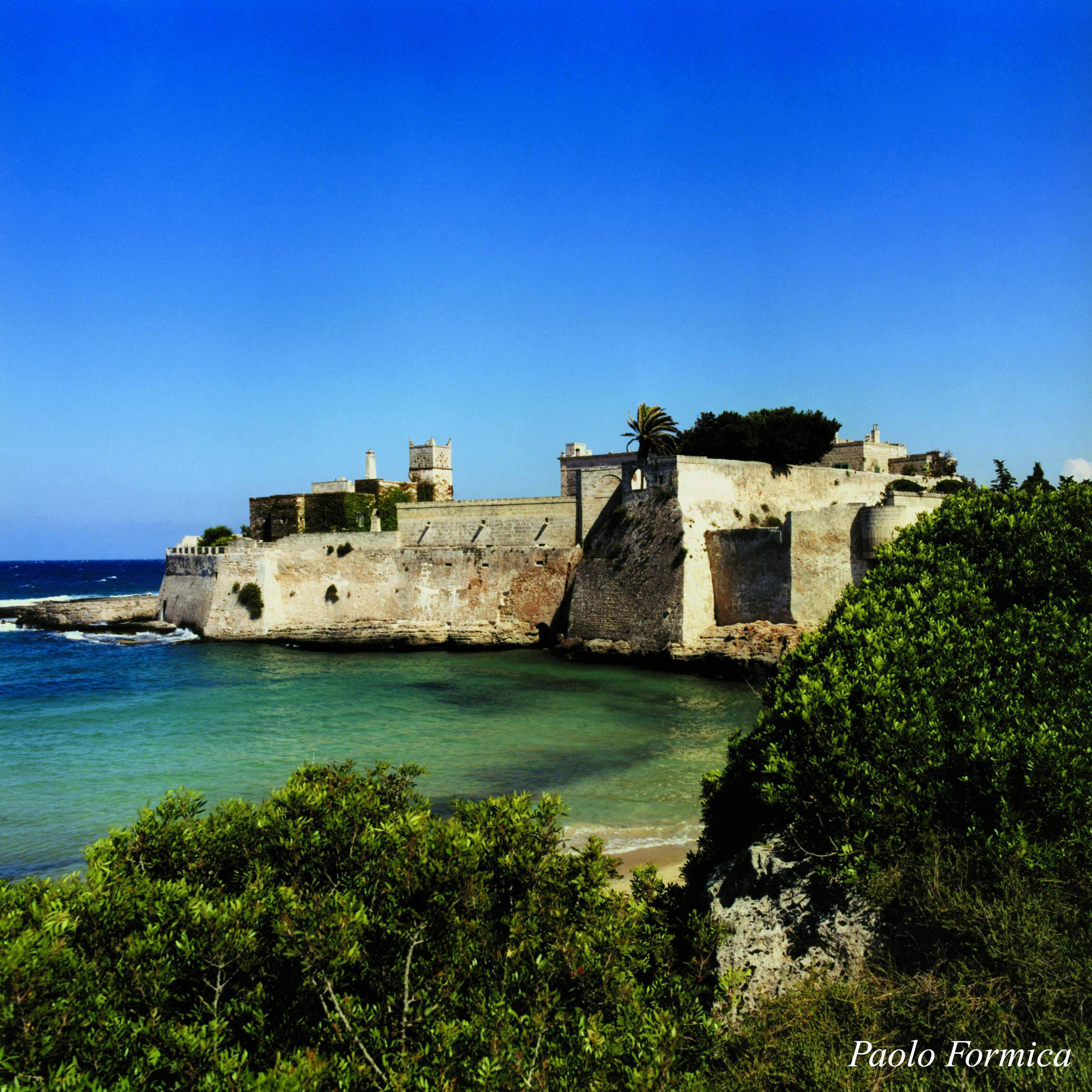
Appartenente al sistema difensivo dell’antica città medievale, questa struttura è stata una parte essenziale dell’antica storia locale.
Fondato nel 1086 per volere del conte di Conversano Goffredo, questo edificio sorse su una penisoletta protesa tra due insenature che formano due piccoli porti naturali, oggi conosciuti con i nomi di lidi Santo Stefano e Porto Ghiacciolo. La struttura è oggi privata.
Un'altra cittadella in una terra dove costruire significava un tempo mostrare a tutti il viso dell'arme. Oggi lo fa solo il custode, quando non gli va a genio il passeggero.
L'abbazia castello è infatti, piú che mai, inserita nella vita pubblica, specie nei mesi estivi, quando la spiaggia brulica di bagnanti. Allora vive anch'essa la sua stagione d'oro, come la vive il suo proprietario. Altrimenti starebbe, come tanti monumenti, relegata a scontare chissà quali peccati. Anche il camping, che allunga a sud il movimento turistico, porta linfa vitale alla natura e all'arte.
Con i Benedettini, dal sec. XII al XIV, l'abbazia fu all'apice della cultura umanistica e artistica.
I Cavalieri di Gerusalemme, che vi s'insediarono nel Quattrocento, la trasformarono in un castello chiuso dalla cinta muraria e dal fossato. I privati, che l'acquistarono al tempo di Murat e delle sue leggi antifeudali, ne fecero una masseria.
Il visitatore trova comunque agevolmente le cose che meritano d'essere viste. Il portale della chiesa romanica lo accoglie al primo ingresso nel cortile, anzi gli dice di entrare senza timore (em>"Intra, ne dubita...").
L'abate si chiama Riccardo e viene ricordato come homo mitis. Questo nel 1236. L'abbazia disponeva di rendite terriere cospicue per permettersi di ricostruire e di onorare degnamente la sua chiesa.
Se non sono venuti i maestri federiciani a lavorare la pietra, questi del portale di S. Stefano fanno sentire ugualmente la moda classicheggiante in auge nel regno di Federico II.
Si osservino i volti degli angeli che spuntano sui capitelli in mezzo alle foglie d'acanto.
Nella lunetta vediamo Cristo in trono col Vangelo sulle ginocchia e in atto di benedire, mentre a' piedi si prostrano due mini figure in adorazione, forse l'abate Riccardo e un altro del convento.
Ai lati di Cristo, S. Stefano e S. Giorgio, il sacerdote a sinistra, a destra il guerriero. Il tipo di bassorilievo e la scansione delle figure nello spazio vuoto che ha la funzione luminosa del fondo d'oro dei mosaici, ci riportano anch'essi a modelli classici, per es. i sarcofaghi ravennati.
L'interno aveva un degno riscontro rinascimentale alla cultura romanica ed era il polittico, ora nel Museo di Boston, venuto da Venezia insieme a tante altre tavole dorate, che arricchirono nel Quattrocento le chiese di Monopoli e di Puglia.
La visita ha un altro punto di riferimento importante ed è la chiesa rupestre, vicinissima a quella romanica, a conferma delle origini comuni di tanti altri monumenti sia all'interno della città di Monopoli che nell'agro.
Si scende per mezzo di una scala in quella che potrebbe essere la primitiva chiesa benedettina, preesistente comunque alla fondazione dell'abbazia, avvenuta nella seconda metà del sec. XI, con l'abside a sinistra appena si entra e un pilastro al centro dell'intero vano che consente l'apertura di tre archi e con essi l'articolazione interna in spazi e ambienti.

Belonging to the defensive system of the medieval city, this structure has been an essential part of the ancient local history. Founded in 1086 by order of the Count of Conversano, Goffredo, this building was built on a small peninsula stretched out between two inlets that form two small natural harbours, actually known as the lidi Santo Stefano and Porto Ghiacciolo. The structure is now private.
Another town in a land where building meant a time to show everyone the face of the arms. Today only the caretaker does, when he doesn’t like the passenger. The castle abbey is in fact, more than ever, inserted in public life, especially in the summer, when the beach teems with bathers. Then it lives its golden season too, as its owner. Otherwise it would be, like many monuments, relegated to serve who knows what sins. The camping, which extends the tourist movement to the south, brings life to nature and art.
With the Benedictines, from the sec. XII to the XIV, the abbey was at the height of the humanistic and artistic culture. The Knights of Jerusalem, who settled there in the fifteenth century, turned it into a castle closed by the walls and the moat. The private owners, who bought it during Murat period and its anti-feudal laws, made it a masseria.
However, the visitor finds easily what deserve to be seen. The portal of the Romanesque church welcomes him at the first entrance to the courtyard. Indeed, tells him to enter without fear. From the cave canem of the Roman villas it has been a while until the dogs of the masserias. The abbot is called Riccardo and is remembered as homo mitis. This was in 1236. The abbey had substantial land revenues to afford rebuilding and honouring its church. If the Federician masters did not come to work the stone, these of the portal of St. Stephen make equally feel the classic style in vogue in the reign of Frederick II. Let us observe the faces of the angels that appear on the capitals among the acanthus leaves. In the lunette we can see Christ enthroned with the Gospel on his knees and in the act of blessing, while two mini-figures in adoration prostrate at the foot (perhaps Abbot Richard and another from the convent). On the sides of Christ, St. Stephen and St. George, the priest on the left, the warrior on the right. The type of bas-relief and the scanning of the figures in the empty space has the luminous function of the golden background of the mosaics, also bring us back to classic models (for example, the sarcophagi from Ravenna).
The interior had a worthy Renaissance response to Romanesque culture and was the polyptich, now in the Boston Museum, came from Venice along with many other golden plates, which enriched the churches of Monopoli and Apulia in the fifteenth century.
The visit has another important point of reference and is the rock church, very close to the Romanesque, confirming the common origins of many of other monuments both within the city of Monopoli and in the countryside. You go down by a staircase in what could be the early Benedictine church, pre-existent however at the foundation of the abbey, occurred in the second half of the eleventh century, with the apse on the left as soon as you enter and a pilaster at the centre of the entire compartment that allows the opening of three arches and with them internal articulation in spaces and areas.
Fonte:
Campanelli Giacomo, Monopoli. Guida turistica, Schena editore, Fasano 1989
Bellifemine Graziano, Il Castello di S. Stefano presso Monopoli: storia ed arte, Schena editore, Fasano 1988
Traduzione:
Fabrizio Peconio, tirocinio formativo a.a. 2021/22 presso URP