Descrizione
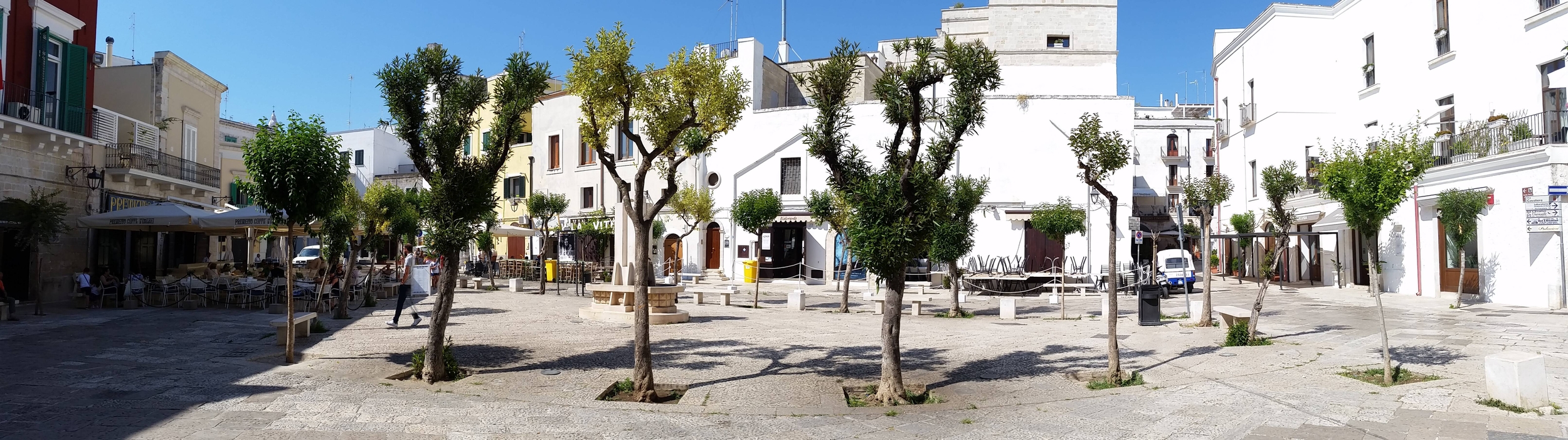
La piazza Garibaldi, attualmente lo spazio di maggiore attrazione turistica del centro antico della città, per bellezza e raffinatezza, interesse culturale e per la presenza dei locali maggiormente frequentati, deriva storicamente da un insabbiamento dell’antica conca portuale operato dai Normanni intorno, stando alle fonti, al 1049.
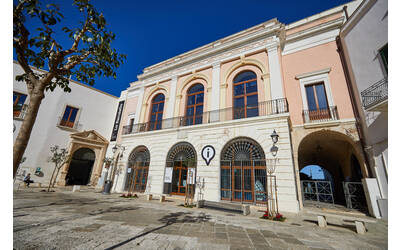
Lo spiazzo centrale è delimitato e contornato da un perimetro lungo il quale trovano ubicazione alcuni edifici monumentali di rilievo storico, a cominciare da Palazzo Rendella, sorto intorno agli anni quaranta dell’Ottocento sulle fondamenta dell’antico carcere spagnolo; il piano nobile, sede del teatro cittadino fino al 1956, sovrastava il pian terreno adibito a mercato del pesce e delle cozze.
Solo dal ’56 in poi l’edificio fu coinvolto nel progetto di apertura della nuova biblioteca comunale, ospitante alle origini un numero complessivo di circa 98 mila volumi tra moderni e storici.
La facciata opposta allo storico Caffè Venezia, sul quale ha anticamente sede l’Agenzia delle dogane, vede collocato l’originario Palazzo dei Gesuiti, oggi trasformato in ristorante, sorto a Monopoli agli inizi del Seicento come collegio che offrisse un’istruzione d’ampio raggio all’alta società borghese dell’epoca, che spaziasse dalle lettere alla filosofia e retorica. Scacciati agli albori del XIX secolo, l’edificio fu convertito in quartiere residenziale.
Nota è infine la costruzione campanaria, sita all’incrocio tra la via Garibaldi e l’omonima piazza; alla base della costruzione trova posto la così detta “colonna infame”, alla quale erano incatenati ed esposti alle ingiurie popolari i trasgressori della legge.

Piazza Garibaldi, currently the space of greatest tourist attraction in the ancient center of the city, due to its beauty and refinement, cultural interest and the presence of the most popular places, derives historically from a silting up of the ancient port basin carried out by the Normans around it, according to sources, at 1049.
The central clearing is delimited and surrounded by a perimeter along which some monumental buildings of historical importance are located, starting with Palazzo Rendella, built around the 1840s on the foundations of the ancient Spanish prison; the main floor, home to the city theater until 1956, overlooked the ground floor used as a fish and mussel market. Only from 1956 onwards was the building involved in the project to open the new municipal library, originally hosting a total of around 98.000 modern and historical volumes.
The front opposite the historic Caffè Venezia, on which the Customs Agency was once based, houses the original Palazzo dei Gesuiti, now transformed into a restaurant, built in Monopoli at the beginning of the seventeenth century as a college offering a wide-ranging education ray to the bourgeois high society of the time, which ranged from letters to philosophy and rhetoric. Driven out at the dawn of the 19th century, the building was converted into a residential neighbourhood.
Finally, the bell tower is noteworthy, located at the crossroads between Via Garibaldi and the square of the same name; at the base of the building there is the so-called “infamous column”, to which violators of the law were chained and exposed to popular insults.
Traduzione: Francesco Allegretti, tirocinio formativo a.a.2023/24 presso URP