Descrizione
L'antica Lama degli Ulivi è una depressione carsica tipica di queste zone fra il mare e le colline, scavata dal tempo e da acque passate.
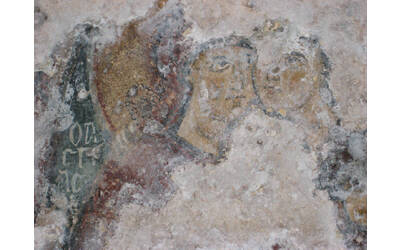
Questa in particolare, dove rigoglia il giardino, è ricca di grotte e conserva memorie antiche che il tempo ha reso ancora più preziose: muretti a secco d’epoca remota, percorsi e giardini scavati nella pietra e soprattutto due chiese rupestri.
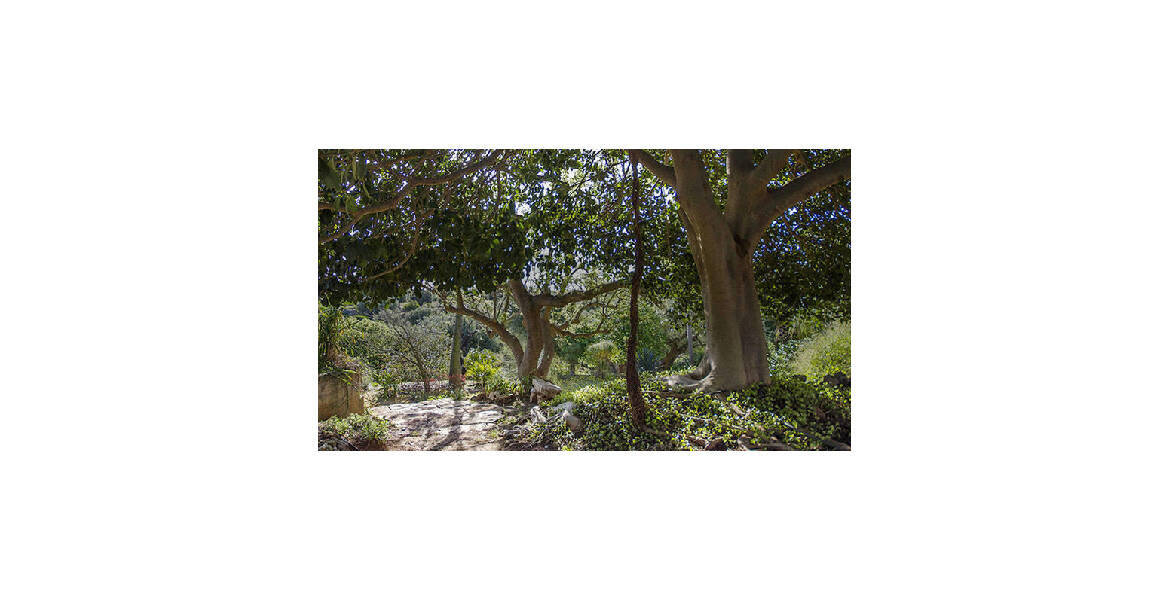
Resti di una natura abitata e vissuta che costituisce un percorso naturalistico decisamente unico al Mondo. In questo scenario, lungo un percorso dai microclimi differenti, è possibile ammirare più di 2000 mila specie di piante diverse, provenienti da ogni angolo del Mondo che vegetano insieme in perfetta e magico concerto.
Talune specie di piante sono autoctone, come le piante facenti parte della macchia mediterranea tipica della regione, poi ci sono ulivi secolari, (introdotti dai greci 2500 anni fa) ma non mancano piante australiane, sud africane e sud americane. E come se le piante dei cinque continenti si siano date appuntamento qui.
Tratto dal sito https://www.lamadegliulivi.it/

The ancient Lama degli Ulivi is a karst depression typical of these areas between the sea and the hills, carved out by time and past times.
This one in particular, where the garden flourishes, is full of caves and preserves ancient memories that time has made even more precious: dry stone walls from remote times, paths and gardens carved into the stone and above all two rock churches.
Remains of an inhabited and experienced nature which constitutes a nature trail that is decidedly unique in the world. In this scenario, along a path with different microclimates, it is possible to admire more than 2 thousand species of different plants, coming from every corner of the world that grow together in perfect and magical concert.
Some species of plants are native, such as the plants that are part of the Mediterranean scrub typical of the region, then there are centuries-old olive trees (introduced by the Greeks 2500 years ago), but there is no shortage of Australian, South African and South American plants. It is as the plants from the five continents met here.
Traduzione: Francesco Allegretti, tirocinio formativo a.a.2023/24 presso URP